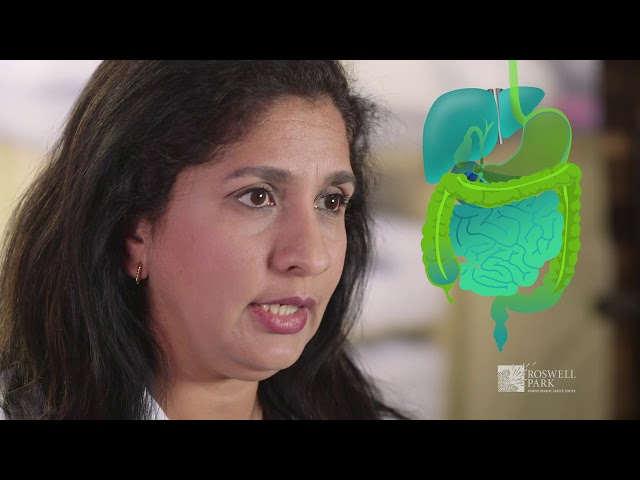
Stage 4 liver cancer, the most advanced form of liver cancer, occurs when cancer cells have spread beyond the liver to other organs in the body. An example is when cancer cells spread from the liver to the lungs, causing secondary tumors in the lungs.
Understanding stage 4 liver cancer is crucial for making informed decisions about treatment options and managing the condition effectively. It provides valuable insights into the disease's progression, prognosis, and potential complications.
The concept of staging liver cancer emerged as a significant historical development in cancer research. It allowed for a standardized approach to classifying the extent of cancer and predicting its outcomes. This understanding has led to tailored treatment plans and improved patient care.
Stage 4 Liver Cancer
Understanding the essential aspects of stage 4 liver cancer is crucial for patients, caregivers, and healthcare professionals. These aspects provide a comprehensive overview of the disease's characteristics, progression, and management.
- Extent of spread
- Prognosis
- Treatment options
- Palliative care
- Quality of life
- Emotional impact
- Support systems
- Financial implications
- End-of-life care
These aspects are interconnected and influence each other. For example, the extent of cancer spread affects the prognosis and available treatment options. Treatment decisions impact quality of life and emotional well-being. Understanding these aspects helps individuals navigate the challenges of stage 4 liver cancer and make informed choices about their care.
Extent of spread
In stage 4 liver cancer, the cancer cells have spread beyond the liver to other organs in the body. This is the most advanced stage of liver cancer and is associated with a poorer prognosis than earlier stages.
The extent of spread is a critical component of staging liver cancer. It helps doctors determine the severity of the disease and guide treatment decisions. The spread of cancer cells can occur through the bloodstream or lymphatic system. Common sites of metastasis in stage 4 liver cancer include the lungs, bones, brain, and lymph nodes.
Understanding the extent of spread is essential for managing stage 4 liver cancer. It allows doctors to tailor treatment plans to the individual patient's needs. For example, patients with limited spread of cancer may be candidates for surgery or other localized treatments. In contrast, patients with widespread cancer may benefit from systemic therapies, such as chemotherapy or targeted therapy.
The extent of spread also has implications for prognosis. Patients with more extensive spread of cancer tend to have a shorter life expectancy than those with less extensive spread. However, even in advanced stages, treatment can help improve quality of life and prolong survival.
Prognosis
Prognosis refers to the predicted course and outcome of a disease, which in the context of stage 4 liver cancer, provides insights into the expected trajectory, survival rates, and potential complications.
-
Life expectancy:
The estimated length of time a person with stage 4 liver cancer is expected to live. This is influenced by factors such as the extent of cancer spread, overall health, and response to treatment.
-
Survival rates:
The percentage of people with stage 4 liver cancer who survive for a certain period of time, typically measured in 5-year survival rates. These rates provide a general indication of the likelihood of long-term survival.
-
Quality of life:
The level of physical, emotional, and social well-being experienced by people with stage 4 liver cancer. Prognosis considers how the disease and its treatment may affect quality of life, including symptom management and functional abilities.
-
Treatment response:
The extent to which a person with stage 4 liver cancer responds to treatment. This can influence prognosis by affecting life expectancy, survival rates, and quality of life. Treatment response is monitored through regular assessments and imaging tests.
Prognosis in stage 4 liver cancer is variable and depends on a multitude of factors. Understanding the various aspects of prognosis empowers individuals to make informed decisions about their care, engage in shared decision-making with their healthcare team, and prepare for the potential challenges and opportunities that lie ahead.
Treatment options
Treatment options for stage 4 liver cancer aim to control the disease, relieve symptoms, and improve quality of life. The specific treatments recommended depend on various factors, including the extent of cancer spread, overall health, and individual preferences.
Surgery may be an option if the cancer is localized to one area of the liver. However, in stage 4 liver cancer, surgery is often not feasible due to the widespread nature of the disease. Other treatments, such as ablation therapy, radiation therapy, or chemotherapy, may be used to shrink tumors and control their growth.
Systemic therapies, such as chemotherapy or targeted therapy, are commonly used to treat stage 4 liver cancer. These therapies circulate throughout the body, targeting cancer cells wherever they are located. Systemic therapies can help reduce tumor size, slow disease progression, and improve symptoms.
Understanding the available treatment options for stage 4 liver cancer is crucial for patients and their families. Engaging in shared decision-making with the healthcare team allows individuals to weigh the benefits and risks of each treatment option and make informed choices that align with their goals and values.
Palliative care
In the context of stage 4 liver cancer, palliative care is a specialized approach to medical care that focuses on improving the quality of life by managing symptoms, providing emotional support, and addressing the social, psychological, and spiritual needs of patients and their families.
-
Symptom management
Palliative care aims to relieve symptoms commonly associated with stage 4 liver cancer, such as pain, fatigue, nausea, and loss of appetite. This may involve medication, therapies, or lifestyle modifications.
-
Emotional support
Palliative care recognizes the emotional toll that stage 4 liver cancer can take on patients and their loved ones. It provides counseling, support groups, and other resources to help individuals cope with the emotional challenges of the disease.
-
Social and spiritual support
Palliative care acknowledges the social and spiritual needs of patients with stage 4 liver cancer. It connects individuals with community resources, spiritual counseling, and other forms of support to enhance their well-being.
-
End-of-life care
Palliative care plays a crucial role in end-of-life care for patients with stage 4 liver cancer. It provides comfort and support during the final stages of life, ensuring that individuals' wishes and preferences are respected.
These facets of palliative care work synergistically to improve the quality of life for patients with stage 4 liver cancer and their families. By addressing the physical, emotional, social, and spiritual dimensions of the disease, palliative care empowers individuals to live as fully as possible, even in the face of advanced illness.
Quality of life
In the context of stage 4 liver cancer, quality of life (QOL) refers to the subjective well-being and overall satisfaction of individuals living with this advanced stage of the disease. QOL encompasses various domains, including physical, emotional, social, and spiritual aspects, and plays a critical role in shaping the experiences and outcomes of patients.
The relationship between QOL and stage 4 liver cancer is bidirectional. On the one hand, the disease itself can significantly impair QOL, causing physical symptoms such as pain, fatigue, and loss of appetite, as well as emotional distress, anxiety, and depression. These physical and emotional challenges can hinder daily functioning, social interactions, and overall well-being.
On the other hand, QOL can also influence the course of stage 4 liver cancer. A positive QOL, characterized by effective symptom management, emotional support, and a sense of purpose, can enhance resilience, coping mechanisms, and adherence to treatment. This, in turn, may lead to improved outcomes, including reduced symptom burden, better treatment tolerability, and potentially prolonged survival.
Understanding the connection between QOL and stage 4 liver cancer is crucial for healthcare professionals and patients alike. By prioritizing QOL as an integral component of care, interventions can be tailored to alleviate symptoms, provide emotional support, and promote a sense of well-being. This holistic approach empowers individuals to live as fully as possible, despite the challenges of advanced cancer.
Emotional impact
The emotional impact of stage 4 liver cancer is profound and multifaceted. The diagnosis itself can trigger a range of emotions, from shock and disbelief to fear and anxiety. Patients may also experience and depression as they come to terms with the implications of their illness.
In addition to the psychological distress caused by the diagnosis, stage 4 liver cancer can also lead to physical symptoms that can further impact emotional well-being. Fatigue, pain, and loss of appetite are common symptoms of the disease, which can make it difficult to engage in activities that bring joy and meaning to life. This can lead to feelings of isolation, hopelessness, and loss of purpose.
The emotional impact of stage 4 liver cancer is not limited to the patients themselves. Family members and caregivers can also experience a range of emotions, including anxiety, stress, and burnout. They may feel overwhelmed by the responsibility of caring for their loved one, and they may also worry about the future and how they will cope with the loss of their loved one.
Understanding the emotional impact of stage 4 liver cancer is critical for providing comprehensive care to patients and their families. Healthcare professionals can play an important role in providing emotional support and counseling, and they can also help patients connect with support groups and other resources.
Support systems
Support systems play a pivotal role in the lives of individuals diagnosed with stage 4 liver cancer. These support systems can significantly impact the physical, emotional, and practical challenges associated with the disease.
One of the most critical ways support systems help is by providing emotional support. Patients with stage 4 liver cancer often experience a range of emotions, including fear, anxiety, and depression. Having a support system of family, friends, or support groups can provide a sense of comfort and belonging, reducing feelings of isolation and loneliness.
Additionally, support systems can assist with practical aspects of living with stage 4 liver cancer. This may include providing transportation to medical appointments, helping with household chores, or simply offering companionship. Practical support can alleviate the burden of daily life, allowing patients to focus on their health and well-being.
Understanding the connection between support systems and stage 4 liver cancer is essential for healthcare professionals, patients, and caregivers alike. By recognizing the crucial role support systems play, healthcare professionals can encourage patients to seek out and engage with these systems. Patients and caregivers should be aware of the various types of support available and actively seek out those that meet their needs.
Financial implications
Financial implications pose significant challenges for individuals diagnosed with stage 4 liver cancer. The high cost of medical care, coupled with the potential loss of income due to treatment and recovery, can impose a substantial financial burden on patients and their families.
The costs associated with stage 4 liver cancer can vary depending on the severity of the disease, treatment options, and individual circumstances. Treatment expenses may include surgery, radiation therapy, chemotherapy, targeted therapy, immunotherapy, and palliative care. These treatments can be expensive, and they may not be fully covered by insurance.
In addition to medical expenses, patients with stage 4 liver cancer may also face indirect financial implications, such as lost wages due to missed work or the need to take time off for treatment and recovery. This can lead to a decrease in income, making it difficult to cover essential expenses such as rent, utilities, and food.
Understanding the financial implications of stage 4 liver cancer is crucial for patients and their families. It is important to have open and honest conversations with healthcare providers about the potential costs of treatment and to explore financial assistance options, such as insurance coverage, government programs, and non-profit organizations that provide financial support to cancer patients.
End-of-life care
End-of-life care is a specialized approach to medical care that focuses on providing comfort and support to patients who are nearing the end of their lives. In the context of stage 4 liver cancer, end-of-life care plays a critical role in ensuring that patients receive the best possible quality of life during their final days.
One of the most important aspects of end-of-life care is symptom management. Patients with stage 4 liver cancer may experience a range of symptoms, including pain, nausea, fatigue, and anxiety. End-of-life care providers work to manage these symptoms and improve the patient's overall comfort. This may involve the use of medication, therapies, or other interventions.
In addition to symptom management, end-of-life care also provides emotional and spiritual support to patients and their families. This may involve counseling, support groups, or other resources that can help patients cope with the challenges of their illness. End-of-life care providers can also help patients make important decisions about their care, such as whether or not to pursue life-extending treatments.
Understanding the connection between end-of-life care and stage 4 liver cancer is essential for providing comprehensive care to patients and their families. End-of-life care can help to improve the quality of life for patients during their final days and provide support to their families during this difficult time.
Frequently Asked Questions about Stage 4 Liver Cancer
This section addresses common inquiries and clarifies important aspects of stage 4 liver cancer, providing valuable insights for a better understanding of the condition.
Question 1: What is the prognosis for stage 4 liver cancer?
The prognosis for stage 4 liver cancer varies depending on individual circumstances and treatment response. However, the advanced stage of the disease generally indicates a shorter life expectancy compared to earlier stages.
Question 2: What are the common symptoms of stage 4 liver cancer?
Stage 4 liver cancer can cause various symptoms, including fatigue, abdominal pain, jaundice, nausea, vomiting, and weight loss. As the cancer progresses, additional symptoms may develop.
Question 3: What treatment options are available for stage 4 liver cancer?
Treatment options for stage 4 liver cancer may include surgery, radiation therapy, chemotherapy, targeted therapy, immunotherapy, and palliative care. The most appropriate treatment approach depends on the individual patient and the extent of the disease.
Question 4: Is stage 4 liver cancer curable?
While there is currently no cure for stage 4 liver cancer, treatments can aim to control the disease, relieve symptoms, and improve quality of life. Ongoing research continues to explore new treatment options and improve outcomes.
Question 5: What is the role of palliative care in stage 4 liver cancer?
Palliative care focuses on improving the quality of life for patients with stage 4 liver cancer by managing symptoms, providing emotional support, and addressing practical concerns. It aims to enhance comfort and well-being throughout the disease journey.
Question 6: How can I cope with the emotional challenges of stage 4 liver cancer?
Coping with the emotional challenges of stage 4 liver cancer requires a multifaceted approach. Seeking support from family, friends, support groups, or mental health professionals can provide emotional comfort and guidance. Additionally, engaging in self-care practices such as exercise, meditation, or spending time in nature can contribute to emotional well-being.
These FAQs provide essential information about stage 4 liver cancer, its prognosis, symptoms, treatment options, and emotional aspects. Understanding these key points can empower individuals to make informed decisions and navigate the challenges of this condition. As we delve further into the topic of stage 4 liver cancer, we will explore additional aspects such as recent advancements, ongoing research, and available resources for support.
Tips for Managing Stage 4 Liver Cancer
Navigating the challenges of stage 4 liver cancer requires a comprehensive approach. The following tips provide practical guidance and support for patients, caregivers, and loved ones.
Tip 1: Prioritize Physical Well-being
Maintain a healthy diet, engage in regular exercise, and get adequate rest. Physical activity can help manage fatigue, improve appetite, and boost energy levels.
Tip 2: Manage Symptoms Effectively
Work closely with healthcare providers to manage symptoms such as pain, nausea, and fatigue. Explore medication options, complementary therapies, and lifestyle modifications to alleviate discomfort.
Tip 3: Seek Emotional Support
Connect with family, friends, support groups, or mental health professionals. Sharing experiences and emotions can provide comfort and reduce feelings of isolation.
Tip 4: Plan for the Future
Discuss end-of-life care preferences with loved ones and healthcare providers. This ensures that wishes are respected and provides peace of mind.
Tip 5: Focus on Quality of Life
Engage in activities that bring joy and meaning. Spend time with loved ones, pursue hobbies, or travel to create lasting memories.
Tip 6: Manage Financial Concerns
Explore financial assistance programs, insurance options, and support groups to alleviate the financial burden associated with treatment and care.
Tip 7: Stay Informed
Educate yourself about stage 4 liver cancer, treatment options, and supportive care. Knowledge empowers you to make informed decisions and advocate for your needs.
Tip 8: Embrace a Positive Mindset
Cultivate a positive outlook and focus on the present moment. Surround yourself with supportive individuals and seek inspiration from others who have faced similar challenges.
These tips can help individuals navigate the challenges of stage 4 liver cancer and improve their quality of life. By prioritizing physical and emotional well-being, seeking support, planning for the future, and maintaining a positive mindset, patients and their loved ones can cope with the complexities of this condition.
The following section will delve deeper into the emotional impact of stage 4 liver cancer, providing insights and strategies for managing the psychological challenges associated with this diagnosis.
Conclusion
Stage 4 liver cancer presents unique challenges that require a multifaceted approach to care. By understanding the extent of spread, prognosis, treatment options, palliative care, and emotional impact, individuals can make informed decisions and navigate the complexities of this disease.
Key points to remember include the importance of symptom management, emotional support, and financial planning. These interconnected aspects contribute to improving quality of life and well-being for patients and their loved ones. Moreover, ongoing research and advancements in treatment modalities offer hope and potential for improved outcomes in the future.